As school administrators, facilities managers, and public-building stewards look for cost-effective ways to protect occupants and reduce liability, safety films have emerged as a pragmatic, scalable solution. Properly specified and installed safety and security films strengthen glass, hold shards together during breakage, delay forced entry, reduce UV damage, and improve resilience against weather events. For Texas schools and municipal buildings including those in Southlake and greater Dallas safety film is a high-value layer in a balanced safety strategy.
Schedule a free on-site estimate:
Call/Text OOVO Window Films: 817-675-6188
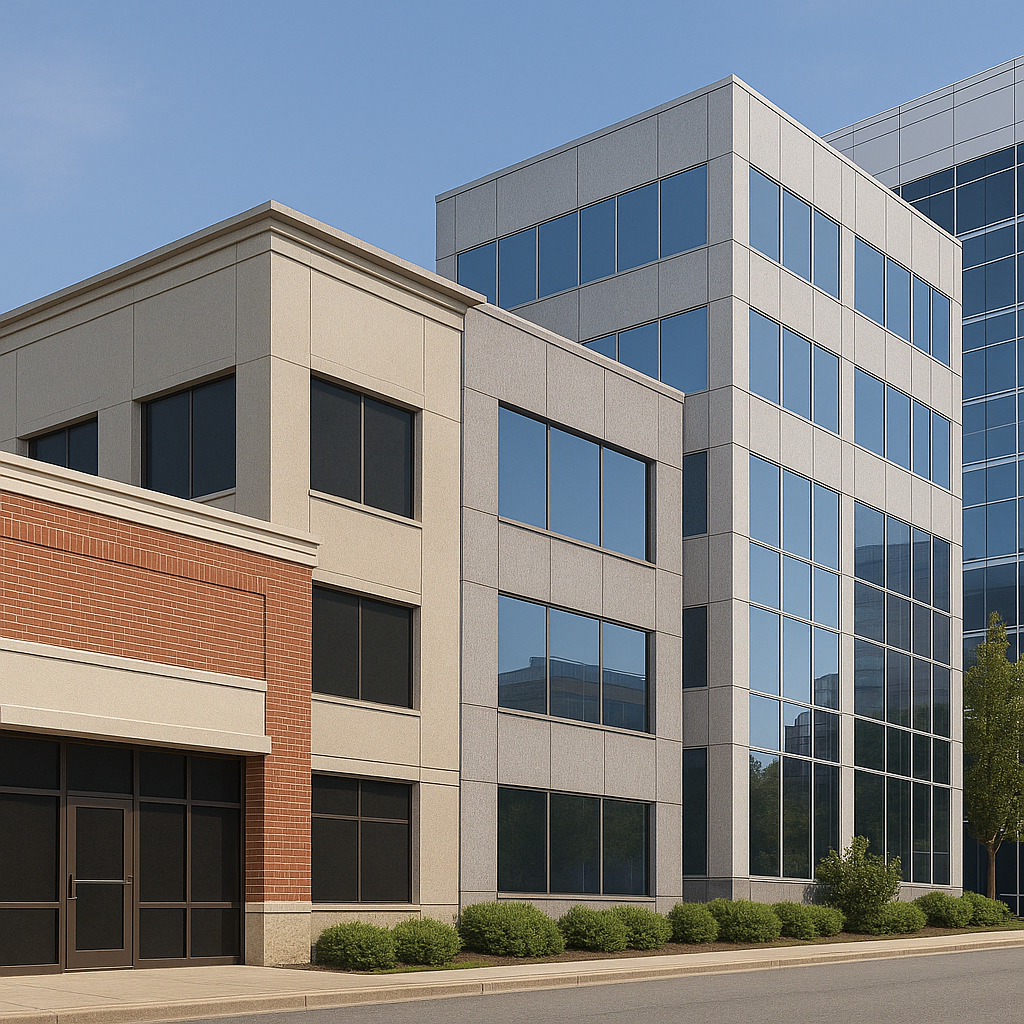
What are safety and security window films?
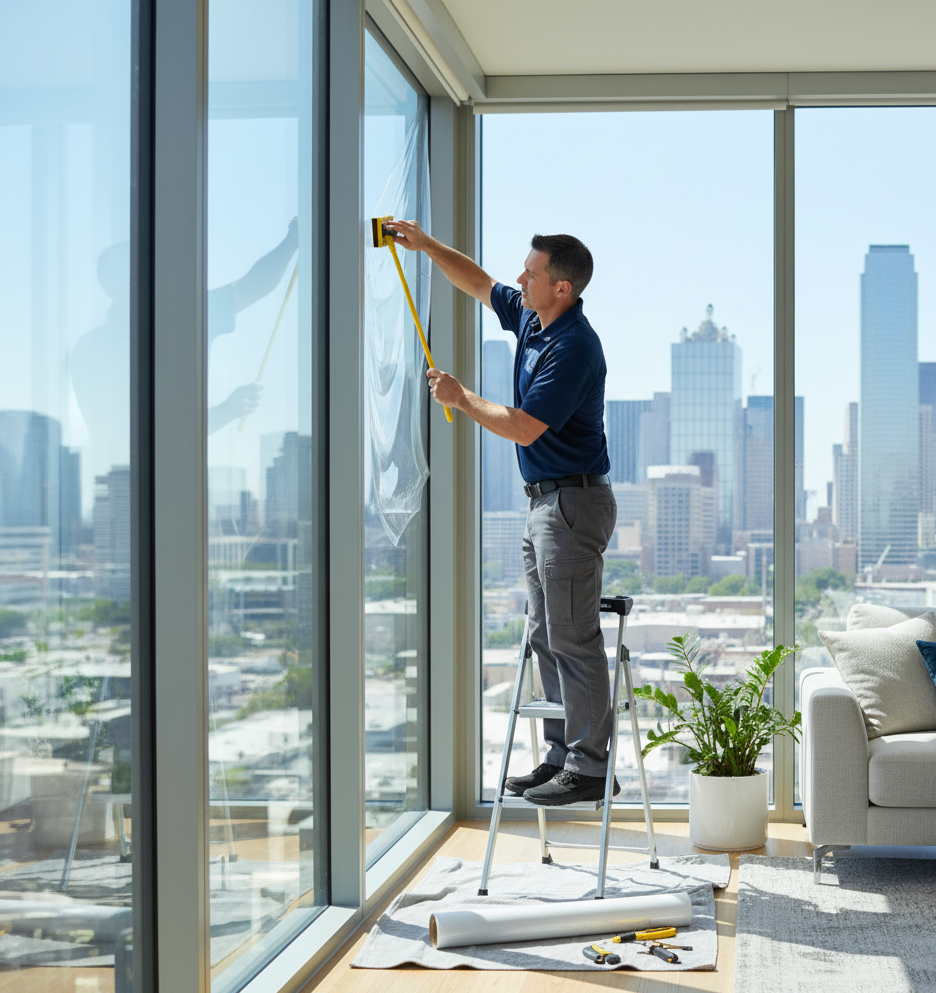
Safety or security window films are multi-layer polyester or polymer films that are professionally bonded to existing glazing with high-strength adhesives. Thicker security films are engineered to:
- Hold shattered glass in place after impact, reducing flying shards;
- Increase the time and effort required to penetrate glazing (delay intruders); and
- Provide abrasion resistance, UV blocking and optional combined solar control.
The leading manufacturers design these products for retrofit applications where replacing glazing is impractical or cost-prohibitive. These films act as a sacrificial, transparent barrier that significantly improves how glazing behaves under stress.
How safety film helps protect students, staff, and the public
1) Reduces injuries from broken glass
One of the most immediate safety benefits is that safety film holds glass fragments together when panes are struck or shattered. This containment reduces laceration risk for children and staff and lowers the likelihood of secondary injuries from flying shards. Manufacturer resources and installers consistently point to shard containment as the core protective benefit.
2) Buys critical response time by delaying forced entry
Security films increase the time and tools an intruder needs to create an opening. That delay, often measured in minutes, can be decisive, allowing staff to enact lockdown procedures, contact emergency services, and move people to safer areas. Industry analyses suggest films can increase forced-entry delay significantly when used with proper attachment systems and laminated glazing upgrades.
3) Mitigates damage in storms and blast events
Thicker security films with appropriate mechanical anchors can help keep window assemblies intact during windborne-debris events or blasts, reducing glass fall-through hazards and providing temporary weather resistance until repairs are completed. This is especially relevant to Texas schools that face severe storms.
4) Protects interiors and reduces maintenance costs
Many safety films include UV-blocking and solar-control features that reduce fading of flooring, furnishings, and educational materials. Anti-shatter and scratch resistance reduce the need for frequent glazing replacement, saving districts and municipalities on repainting and restoration costs after vandalism.
5) Safety film is one piece in a layered security plan
It is critical to treat safety film as part of a multi-layer approach to school and public-building security. Films are not standalone bulletproof solutions; they complement locks, access control, toughened glazing, alarms, training, communication systems, and emergency planning. Relying solely on film for active assailant scenarios or ballistic protection is a misapplication of the technology. Major manufacturers and independent analyses underline that films are intended to delay, contain, and protect, not to guarantee ballistic invulnerability.
Standards, tests and what they mean for procurement
When evaluating products, understanding relevant standards helps set realistic expectations:
- ANSI Z97.1 / CPSC 16 CFR 1201: These standards address safety glazing performance to reduce cutting or piercing injuries from broken glass and are foundational to glazing safety in buildings.
- ASTM F1233: This standard evaluates security glazing materials and systems for resistance to ballistic and forced-entry attack; it is used when specifying higher-security glazing systems, often in combination with laminated glazing and mechanical attachments.
- Forced-entry time evaluations: Some test methods express performance in minutes of delay under defined tool use — a helpful metric for risk planning.
Procurement teams should request test reports and installation certification from manufacturers and installers, and ensure system testing matches the expected threat and response model for the building.
What safety film can and cannot do — realistic expectations
Can
- Reduce laceration hazards by keeping glass intact.
- Delay opportunistic forced entry and deter smash-and-grab incidents.
- Lower UV exposure and reduce fading.
- Reduce damage and downtime after vandalism and certain weather events.
Can’t
- Guarantee stopping bullets in all scenarios. Recent industry reporting and independent tests have shown that film performance varies widely and that some marketing claims have been exaggerated. For ballistic protection you need properly specified laminated glazing systems and engineered solutions; film alone is not a ballistic armor substitute.
Important operational note: “Window films do not provide nighttime privacy.” (Use blinds or layered reflective solutions for after-dark privacy.)
Case impact — how minutes save lives
Security planners often quantify value in minutes. Expert commentary and manufacturer guidance indicate that an effective glazing hardening strategy that delays entry by just a few minutes can allow staff to initiate communication protocols, begin lockdowns, and buy time for first responders. Those extra minutes can be the difference between escalation and containment. While exact delay times depend on film thickness, attachment methods, glass frame strength, and attacker tools, measured forced-entry testing provides a basis for estimating response windows.
Procurement checklist for schools and public buildings
When specifying safety film, use this checklist to avoid common pitfalls:
- Define the threat and objective — Are you mitigating vandalism, deterring break-ins, improving windstorm resilience, or shaping a combined response?
- Request third-party test data — Ask for ASTM F1233 or forced-entry time evaluation reports, and ANSI/CPSC safety glazing compliance where relevant.
- Verify installer certification — Manufacturer-authorized installers protect warranties and ensure proper adhesion and attachment.
- Consider attachment systems — For higher delay requirements, choose films with mechanical attachment systems that secure film edges to the frame.
- Budget for maintenance and replacement — Security films are sacrificial; plan for periodic inspection and economical replacement.
Local considerations for Southlake and the Dallas–Fort Worth region
Schools and public buildings in North Texas must consider:
- Severe weather (hail, high winds) that can produce windborne debris; films that keep glass intact reduce hazards.
- Sun orientation — west-facing facades in DFW receive intense late-day sun; films that combine solar control with safety properties deliver dual benefits.
- Vandalism patterns in urban centers: transit hubs, downtown public buildings, and retail-front schools can benefit from anti-graffiti and sacrificial films as part of maintenance planning.
Working with a local installer like OOVO Window Films ensures familiarity with local glass types, building codes, and typical environmental stresses and faster service when replacements or urgent repairs are needed.
Book a free on-site safety review:
Call/Text OOVO Window Films: 817-675-6188
Frequently Asked Questions
Q: Will window film stop a shooter?
A: No. Window film can delay entry and contain glass shards but is not a reliable ballistic protection solution; engineered laminated glazing and other measures are required for that purpose.
Q: How long does safety film last?
A: With proper installation and care, high-quality safety films can last 7–15 years depending on exposure, cleaning, and abrasive wear.
Q: Can you retrofit film to any window?
A: Most glass types can accept film, but double-pane or insulated glazing requires specific products and assessment to avoid thermal stress. An on-site survey is essential.
Q: Do safety films reduce daylight?
A: Many safety films preserve visual clarity; select products that balance light transmission and opacity as required.
Q: Are there recognized tests for forced-entry delay?
A: Yes. ASTM F1233 and time-based forced-entry tests, among others, provide objective measures of a glazing assembly’s resistance.
Q: Who should I call to evaluate my building?
A: Contact a certified local installer for a free vulnerability assessment and product recommendation.
Final recommendations: Integrate, test, and train
Safety films are a sensible, cost-effective element of glazing hardening for schools and public buildings. But they deliver best when integrated into a broader plan that includes:
- emergency procedures and staff training;
- access control and alarm systems;
- appropriate glazing upgrades for critical areas; and
- ongoing maintenance and scheduled inspection.
If your district or municipality is evaluating glazing upgrades, start with a threat assessment, request vendor test reports, and engage a certified installer for a demonstration and on-site estimate.
Start your assessment now: Call/Text OOVO Window Films: 817-675-6188